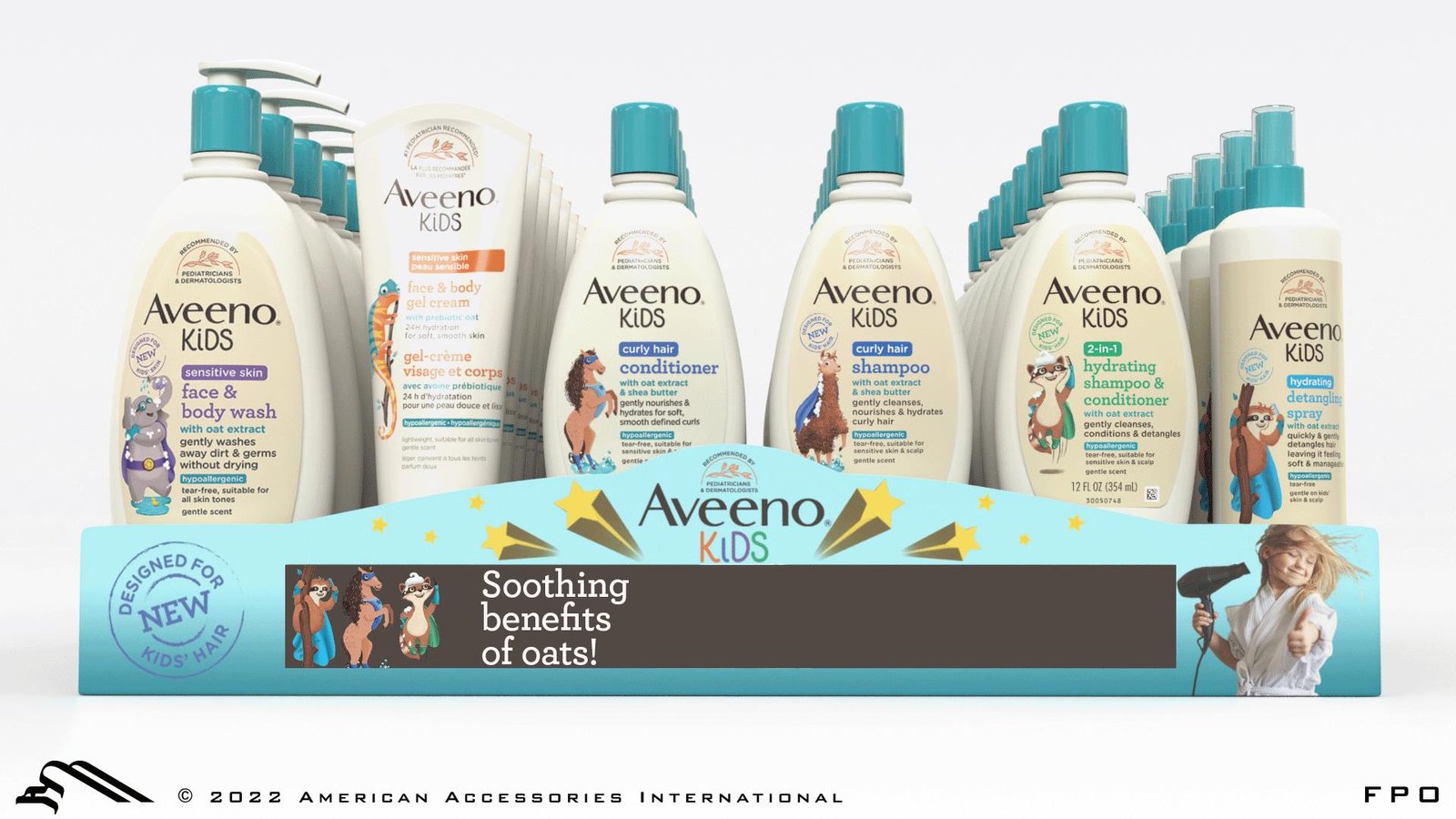
Define the retail placement
Start by identifying where the display will live: counter, shelf, aisle, event space, product launch area, or supermarket promotion zone. Placement affects size, viewing angle, and structure.
Prepare campaign artwork
Useful artwork includes logos, product images, campaign graphics, overlay design, and the message sequence. These assets help shape the custom POP display and visual presentation.
Clarify structure and quantity
A retail display solution can require different housings, brackets, stands, or installation details depending on campaign goals. Quantity also affects sampling, production planning, and final quotation.
Plan sample and production timing
Most custom POP display projects need time for display design, sample making, sample confirmation, production preparation, mass production, and delivery. Planning early helps keep retail campaigns on schedule.
Planning a supplier conversation
When comparing a POP display manufacturer, retail display manufacturer, or China supplier, look beyond the surface image. A useful supplier should understand artwork preparation, structure engineering, sample review, mass production, packing, and global shipping. For OEM, ODM, and wholesale projects, the best result comes from sharing the campaign goal, the retail placement, and the quantity plan early so the display can be designed for real store use.
What to prepare before quotation
A quotation for a custom POP display or electronic shelf display is more accurate when the brand provides artwork, expected display size, product photos, structure references, quantity, destination market, and campaign schedule. These details help define whether the project should be a counter display, shelf display, hanging display, floor display, digital shelf talker, or a more custom in-store marketing display.
Best fit
Retail brands, agencies, distributors, and buyers planning a custom POP display or digital shelf talker project.
Core assets
Campaign artwork, product images, logo files, message sequence, retail placement photos, and expected quantity.
Commercial terms
MOQ, OEM / ODM scope, wholesale quantity, sample timeline, production timeline, and global shipping plan.
Supplier questions
Ask the manufacturer about structure feasibility, packing, certification needs, and how the display works after power on.
Plan a custom POP display
Share your campaign artwork, product category, display size, quantity, and target retail environment. SoliDisplay can help create a custom e-paper POP display, digital shelf talker, or retail display solution around your brand.
Request Quote